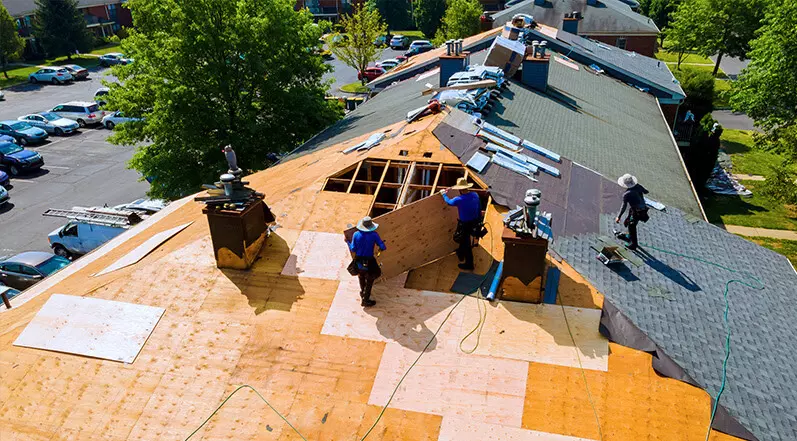
Your roof works tirelessly every day to protect your home from the elements. From intense sunlight and heavy rain to strong winds and storms, it acts as the first line of defense for your entire property. Despite its strength and durability, no roof lasts forever. Over time, constant exposure to weather conditions, temperature fluctuations, and natural aging can weaken roofing materials and reduce their effectiveness.
Many homeowners do not think about their roof until a major problem appears, such as a leak or visible damage. However, recognizing the early warning signs of roof deterioration can help you avoid costly repairs and serious structural damage. Acting early often means the difference between a minor repair and a full roof replacement.
In areas like Miami, Miami Beach, and Hialeah, roofs face additional stress from intense UV exposure, humidity, heavy rainfall, and hurricane-season storms. These environmental conditions can accelerate the aging process of roofing materials, making regular inspections especially important.
In this guide, we’ll explore the seven most common warning signs that indicate your roof may need replacement. By understanding these signs, homeowners can take proactive steps to protect their property and maintain a safe, secure living environment.
If you suspect your roof may be nearing the end of its lifespan, the experienced team at Silver Crest Roofers provides professional inspections and reliable roofing solutions for homeowners across South Florida.
Shingles form the outer protective layer of most residential roofs, particularly asphalt shingle systems. They are designed to shield your home from water infiltration, wind damage, and sun exposure. When shingles begin to deteriorate, your roof becomes vulnerable to leaks and structural damage.
One of the most noticeable signs of aging is shingle curling or cracking. Over time, exposure to ultraviolet (UV) rays can cause shingles to dry out and lose flexibility. As a result, the edges may curl upward or the surface may develop cracks.
In addition to curling, homeowners may notice missing shingles, especially after storms or strong winds. Missing shingles leave the underlying roofing structure exposed, increasing the risk of water penetration.
Another warning sign is the loss of protective granules. Asphalt shingles are coated with granules that help protect against sunlight and weather damage. When these granules begin to fall off, shingles lose their ability to protect the roof effectively.
If you gently run your hand across your shingles and notice a large amount of granules coming loose, it may be time to schedule a professional roof inspection.
Ignoring shingle damage can allow water to seep beneath the roof surface, leading to costly interior repairs.
Water leaks are one of the most common indicators of roof damage. While some leaks are obvious, others develop slowly and may go unnoticed until significant damage has already occurred.
A common sign of a roof leak is dark stains or discoloration on ceilings or walls. These stains typically appear as brown or yellow patches and may expand over time.
Other signs of water intrusion include:
• Peeling paint near ceilings
• Damp insulation in the attic
• Dripping water during rainstorms
• Mold or mildew odors
Even a small leak can cause serious issues. Water that enters your home can damage insulation, drywall, and wooden structural components. Over time, this moisture can also promote mold growth, which may affect indoor air quality.
If you notice water stains or damp areas inside your home, schedule a professional roof inspection immediately. Addressing leaks early can prevent expensive interior damage and extend the life of your roofing system.
For homeowners in Miami, Miami Beach, and Hialeah, heavy rainfall and storm activity make it especially important to monitor for signs of leaks.
A sagging roof is a serious structural issue that should never be ignored. When a roof begins to sag or appear uneven, it often means that moisture has compromised the roof decking or support structure.
Roof decking is the layer of wood panels that supports roofing materials such as shingles or tiles. If water penetrates this layer, the wood can weaken and begin to rot, causing parts of the roof to dip or sag.
Signs of a sagging roof may include:
• Visible dips in the roofline
• Uneven or wavy roof surfaces
• Soft or spongy areas when walking on the roof
Once sagging occurs, simple repairs are usually not enough to resolve the problem. In many cases, a full roof replacement is required to restore the roof’s structural integrity.
Professional roofing specialists can evaluate the extent of the damage and determine the safest and most effective solution.
Moss and algae growth may seem like minor cosmetic issues, but they can cause long-term damage to roofing materials.
Moss tends to grow in shaded areas where moisture accumulates. As it spreads, it traps water against the surface of the roof. This moisture can gradually weaken shingles and cause the underlying wood to deteriorate.
Algae growth often appears as dark streaks across the roof surface. While algae itself does not always cause structural damage, it can lead to premature aging of roofing materials.
This issue is particularly common in humid climates, such as South Florida, where moisture levels remain high throughout the year.
Homeowners can reduce the risk of moss and algae growth by:
• Ensuring proper attic ventilation
• Removing debris from the roof regularly
• Trimming nearby trees to increase sunlight exposure
If moss or algae growth becomes severe, professional cleaning or roof replacement may be necessary.
A failing roof can have a surprising impact on your home’s energy efficiency.
Your roof plays an important role in regulating indoor temperatures. When roofing materials deteriorate or insulation becomes compromised, heat and cool air can escape more easily.
This forces your heating and cooling system to work harder to maintain comfortable indoor temperatures, resulting in higher energy bills.
Signs that your roof may be affecting energy efficiency include:
• Rising heating or cooling costs
• Uneven temperatures between rooms
• Drafts near ceilings or attic spaces
Installing a new roof with modern materials can significantly improve energy efficiency and reduce long-term utility costs.
Even if your roof appears to be in good condition, its age may indicate that replacement is necessary.
Most asphalt shingle roofs have a lifespan of approximately 20 to 25 years. After this period, shingles naturally become weaker and more prone to damage.
Older roofs are more susceptible to:
• Cracked or missing shingles
• Frequent leaks
• Reduced insulation performance
If your roof is approaching or exceeding its expected lifespan, scheduling a professional inspection is a smart decision.
Roofing professionals can evaluate the overall condition of the system and determine whether repairs or replacement will provide the best long-term value.
Your attic can reveal many hidden problems within your roofing system.
If you enter your attic during the day and notice sunlight shining through the roof boards, it is a clear indication that gaps or holes have formed.
These openings allow:
• Rainwater to enter
• Cold or warm air to escape
• Insects or pests to enter the home
Even small gaps can quickly lead to larger problems during storms or heavy rainfall.
A professional roof inspection can identify the source of these gaps and recommend the appropriate solution.
While replacing a roof may seem like a large investment, it offers many long-term benefits for homeowners.
A new roof can:
• Improve energy efficiency
• Increase property value
• Enhance curb appeal
• Prevent structural damage
• Provide peace of mind during storms
Modern roofing materials are designed to be stronger, more weather-resistant, and more energy-efficient than older systems.
For homeowners in Miami, Miami Beach, and Hialeah, investing in a high-quality roof can significantly improve protection against intense sunlight, humidity, and severe weather.
If you have noticed any of the warning signs discussed in this article, scheduling a professional roof inspection is the next step.
The experienced team at Silver Crest Roofers provides comprehensive roofing services for homeowners and businesses throughout Miami, Miami Beach, and Hialeah, FL.
Our services include:
• Roof inspections
• Roof repairs
• Complete roof replacements
• Roof maintenance programs
• Emergency roofing services
Our skilled roofing professionals use high-quality materials and proven installation techniques to ensure long-lasting protection for your property.
Your roof is one of the most important components of your home’s structure and protection. Ignoring early warning signs of roof deterioration can lead to serious structural damage and costly repairs.
By recognizing signs such as damaged shingles, water leaks, sagging areas, moss growth, rising energy bills, aging materials, or daylight visible in the attic, homeowners can take action before problems escalate.
If you suspect your roof may be nearing the end of its lifespan, contact Silver Crest Roofers for a professional inspection and expert guidance.
Serving homeowners throughout Miami, Miami Beach, and Hialeah, our team is committed to delivering reliable roofing solutions that keep your home safe, energy-efficient, and protected for years to come.